


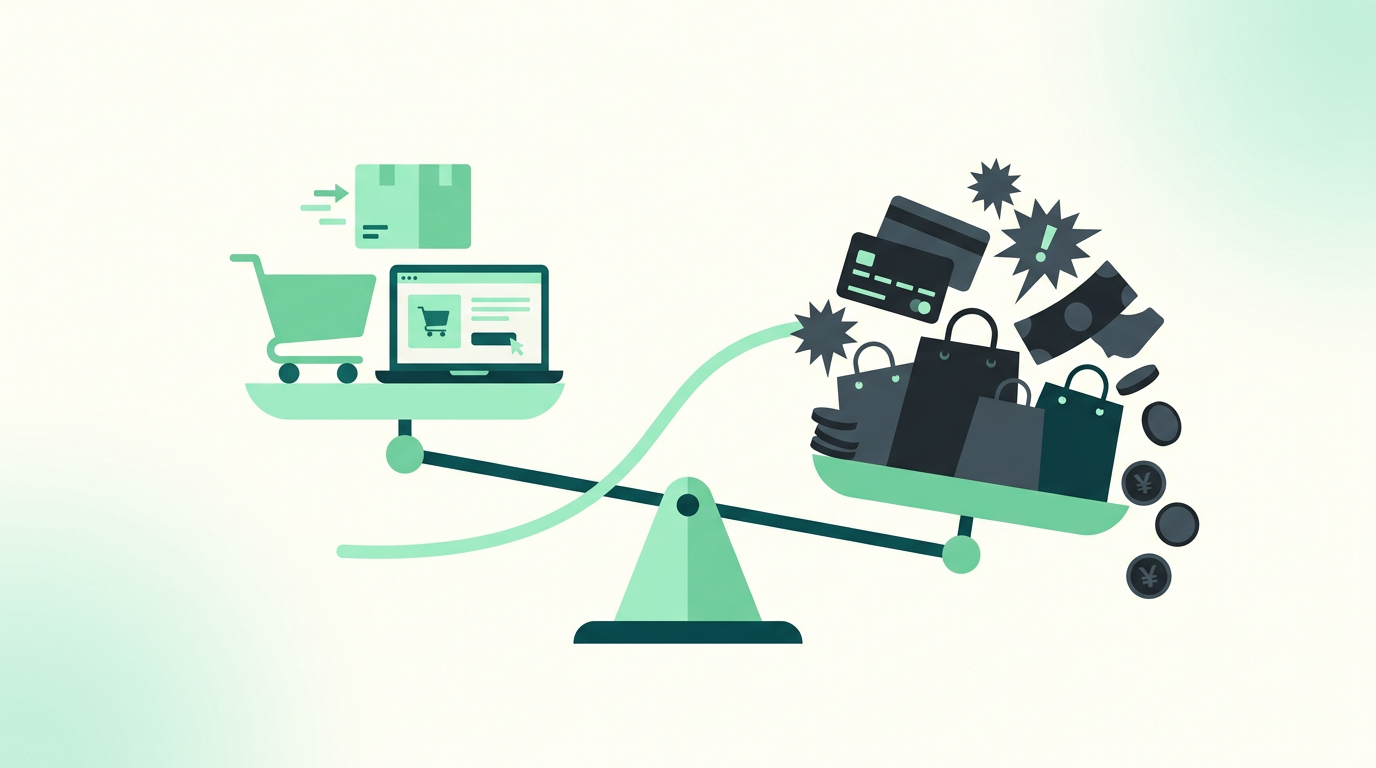
Online Shopping: Finding Balance Between Convenience and Impulse Buying – Your Guide to Conscious Consumption
One click is all it takes, and the desired product is on its way to us. Online shopping has revolutionized our consumer behavior and offers a convenience we no longer want to do without. But precisely this effortless accessibility harbors a pitfall: the line between sensible shopping and impulsive buying sprees is increasingly blurred. Many people only realize how much they have been carried away by digital temptations when they look at their bank statement. This article shows you the psychological mechanisms behind our online purchasing behavior and how to develop conscious strategies to regain control.
The Psychology of the Click: Why We So Easily Fall into Impulse Buying Online
Our brain responds to online shopping with a release of dopamine – the so-called reward hormone. This neurobiological process is similar to what happens during other moments of pleasure and explains why merely browsing online shops can trigger a feeling of happiness. The problem: our brain learns quickly and demands a repetition of this pleasant state.
Fear of Missing Out and Time Pressure
Retailers deliberately exploit psychological triggers. Flash sales and limited-time offers create a sense of urgency. The fear of missing out on a bargain overrides rational considerations. Studies suggest that purchasing decisions made under time pressure are often less thought out.
The Illusion of Anonymity
Online, we feel unobserved. No one sees us filling our shopping cart or how many items we return. This perceived anonymity significantly lowers inhibitions. What might be embarrassing in a physical store – such as buying ten pairs of shoes at once – seems completely normal online.
Personalization as a Purchase Trigger
Algorithms learn our preferences and present us with tailored recommendations. This personalization makes shopping more convenient, but also more tempting. Those who constantly see products that exactly match their taste find it harder not to buy.
The Allure of the Digital Shopping World: Recognizing and Avoiding Traps
The digital shopping world is designed to minimize friction. One-click orders remove conscious decision-making moments from the purchasing process. Those who no longer have to actively enter payment details buy faster and more impulsively.
Social Proof and Influencer Marketing
Product reviews and influencer recommendations build trust. The principle of social proof suggests: if so many others like this product, it can't be wrong. This becomes critical when paid advertising is not recognizable as such or when reviews have been manipulated.
The Shipping Cost Trap
"Free shipping from 20 Euros" – who doesn't know this phrase? It tempts you to put more in your shopping cart than originally planned. Psychologically, the "saving" on shipping costs seems attractive, even though objectively more money is spent.
Hidden Subscription Models
Subscription models can be useful, but often lead to a creeping accumulation of expenses. Those who have multiple subscriptions for streaming services, beauty boxes, or groceries quickly lose track of the total monthly costs.
Strategies for Conscious Consumption: Regaining Control
The good news: you can learn to avoid these traps. Conscious consumption begins with recognizing your own triggers and establishing new habits.
The 24-Hour Rule
If you want to buy something, wait 24 hours – even longer for more expensive purchases. This pause gives your brain the opportunity to switch from dopamine rush to analysis mode. Often it turns out: the urgent desire to buy was not so urgent after all.
Budget Planning and Limits
Set a monthly budget for online purchases and stick to it. Many banking apps allow you to define spending limits and receive warnings if you exceed them.
Create Shopping Lists
Never go into an online store without a list. Write down what you really need beforehand and only buy those items. Anything not on the list does not go into the shopping cart.
Question Purchase Decisions
Before every purchase, ask yourself: "Do I really need this?" Consider whether the product solves a real problem or merely satisfies a short-term desire.
Reduce Digital Stimuli
Unfollow accounts that encourage you to buy and unsubscribe from marketing newsletters. Less temptation means fewer impulsive purchases.
Digital Helpers for More Mindfulness: Technology in Service of Your Control
Paradoxically, technology itself can help solve the problems it helped create. Various digital tools support you in consuming more consciously.
Browser extensions can block shopping sites or display warnings before you make a purchase. Budget apps help you keep track of your expenses and identify patterns in your purchasing behavior.
Digital Detox for More Clarity
A conscious approach to digital devices can also help with online shopping. Those who regularly take breaks from the digital world are less exposed to constant buying impulses. Apps like Slofy can help you consciously manage screen time and gain distance from the constant temptations of online commerce.
Your Path to More Balance
Online shopping offers undeniable advantages, but also harbors the potential for uncontrolled consumption. The key lies in understanding the psychological mechanisms and developing conscious strategies to stay in control. By actively engaging with our purchasing behavior and using digital tools, we can enjoy the convenience of online shopping without falling into impulse buying.
Start today by reflecting on your shopping habits and making small but impactful changes. Even a few adjustments can make a big difference and help you develop a more balanced relationship with consumption.
Your First Step to More Mindfulness
If you notice that online shopping is taking up too much of your time and attention, Slofy can be a useful companion. The app helps you keep track of your screen time and establish focused breaks from digital consumption. With features like screen time tracking and various focus modes, Slofy supports you in dealing more consciously with your digital habits – including online shopping. The app is available for free and even offers family-friendly features to collectively find a more mindful approach to media use. You can find more information at slofy.app.