


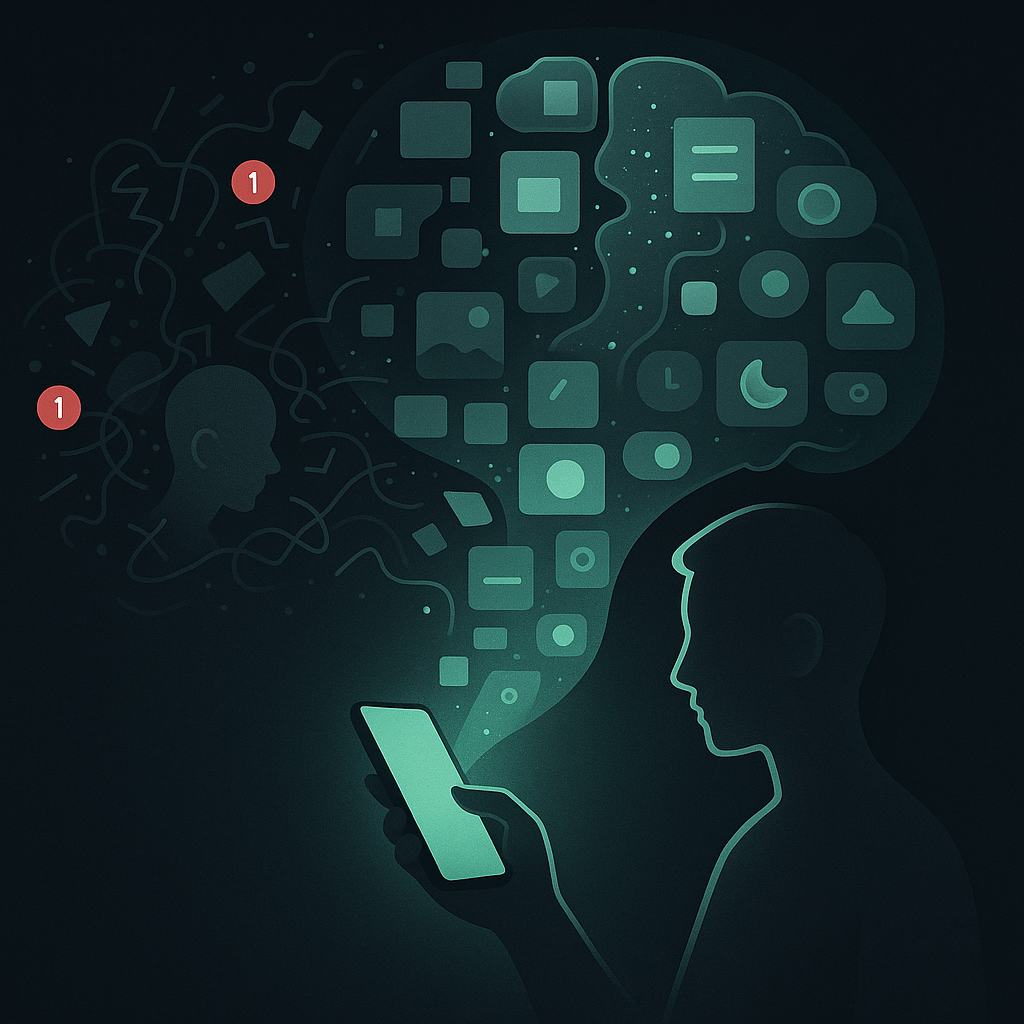
The Nature of Digital Distractions
In our modern society, digital distractions are part of everyday life. These distractions encompass everything from social media to news notifications to endless scrolling through feeds. But what really lies behind the unconscious click that makes us reach for our smartphones time and again? A central factor is the so-called "dopamine," a neurotransmitter that gives us a sense of well-being. Every time we receive a notification or see a new post, our brain releases dopamine, motivating us to click again and again.
However, this constant distraction has profound effects on our perception and social environment. When we are perpetually distracted by digital devices, it becomes difficult for us to be present in the real world and engage in meaningful conversations. Furthermore, these distractions affect our ability to process information effectively and make decisions.
The Impact of Unconscious Clicks on Mental Health
It’s no secret that unconscious clicks and excessive consumption of digital content can have measurable effects on our mental health. Studies show that constant distractions can impair our cognitive abilities and lead to a reduced attention span. This can result in significant mental strain over time, such as increased stress and decreased life satisfaction.
The connection between digital distractions and stress levels is also noteworthy. When we constantly switch between different tasks, our stress levels rise because our brains are not designed for multitasking. This can lead to feelings of overwhelm and impair our ability to relax and recover.
Strategies for Reducing Digital Distractions
Fortunately, there are several strategies to reduce digital distractions and regain focus. One effective method is the conscious selection of "helpful" content that contributes to personal development, rather than aimlessly scrolling through feeds. Additionally, using apps like Slofy can provide valuable support. Slofy helps track screen time, offers focus modes, and incorporates gamification elements that motivate users to be more mindful of their digital time.
In the workplace, practical tips can be easily implemented: Set clear times for checking emails and social media, use technologies that help you stay focused, and take regular digital breaks to refresh your mind.
Success
Successfully implementing these strategies can lead to a significant improvement in mental health and cognition. By making our digital habits more conscious, we can not only boost our productivity but also enhance our social integrity. In a world increasingly shaped by digital media, the ability to focus on what truly matters becomes a valuable asset.
Your First Step Toward More Balance
Take the opportunity to reflect on your digital habits and take steps to improve your efficiency. One way to support this process is by using the Slofy app. With features like screen time tracking, focus modes, and gamification, Slofy helps minimize distractions and cultivate more mindfulness in your digital daily life. The app is available for free and can help you find your digital balance. Visit Slofy to learn more and take the first step toward a more mindful digital life.