


The Invisible Burden: How Your Smartphone Changes Your Brain (and How to Protect It)
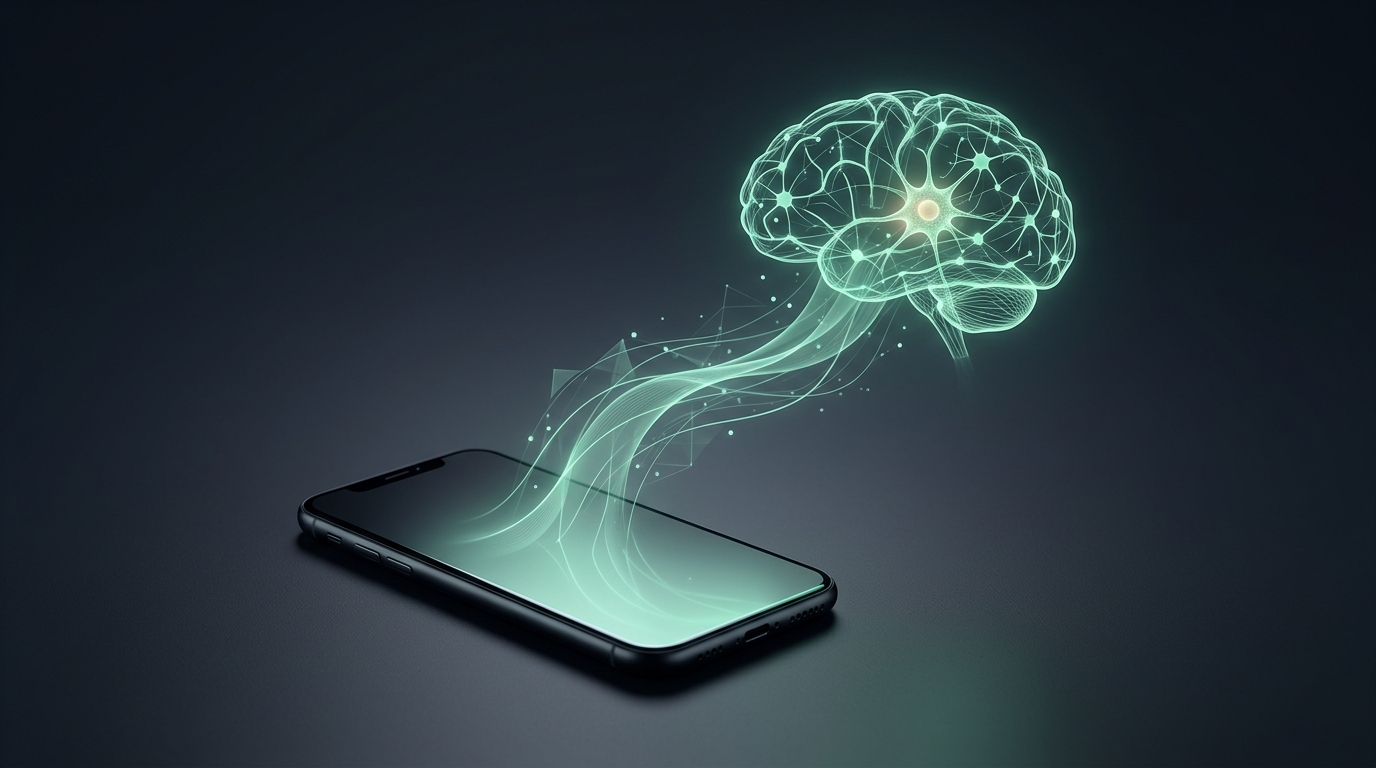
Once envisioned as a promising helper, the smartphone has become a constant companion for many people, permeating almost every facet of our daily lives. What began as practical support has, for some, developed into an unspoken addiction. But this omnipresent digital influence does not pass us by without a trace. There are indications that excessive use of our mobile devices subtly but profoundly changes our brains. This article explores these changes, explains the potential effects on our cognitive abilities, and outlines solutions for leading a more conscious and healthier digital life.
Dopamine Overload: How the Smartphone Hijacks Our Reward System
Our brain has a complex reward system that releases the neurotransmitter dopamine during pleasant experiences. This dopamine creates a feeling of satisfaction and motivates us to repeat the rewarding action. In the context of smartphones, this system is constantly activated by notifications, social media likes, achieving high scores in games, or discovering new, interesting content. Every new comment or email can trigger a small dopamine rush.
This constant stimulation can lead our brain to develop a compulsion for permanent checking. The craving for the next dopamine hit can reinforce addictive patterns and draw us into a cycle where we repeatedly reach for the device, hoping for a new reward.
The Erosion of Concentration: Multitasking as a Myth
Many people believe they can effortlessly perform multiple tasks simultaneously – a phenomenon often referred to as multitasking. However, research shows that our brain cannot truly multitask. Instead, it rapidly switches between different tasks. This process is associated with "switch costs." Every time we divert our attention from one task to check a notification or open another app, our brain needs time and energy to readjust to the original task.
This leads to reduced efficiency and poorer performance in complex activities. The ability for deep work, meaning undisturbed and concentrated work on a single task, suffers significantly. This can negatively impact our problem-solving skills and creativity.
Memory in Flux: When the Smartphone Becomes External Storage
In times when knowledge is just a click away, we increasingly rely on our smartphones as external storage. This phenomenon is sometimes called "digital amnesia" or the "Google effect." The constant availability of information can lead us to make less effort to actively remember facts or details, as we know we can look them up at any time.
While it's convenient to access information instantly, outsourcing memory functions can affect our working and long-term memory. However, actively recalling and linking information is crucial for cognitive fitness and developing a deeper understanding.
Sleep Disturbances and Mental Fatigue: The Dark Side of Blue Light
Using smartphones, especially in the evening, can significantly impair our sleep. The blue light emitted by screens inhibits the production of melatonin, the hormone that regulates our sleep-wake cycle. This can lead to difficulty falling asleep and poorer sleep quality.
Furthermore, constant accessibility and the "Fear of Missing Out" (FOMO) contribute to increased stress levels. We feel pressured to always be online and respond to messages. This digital overload, combined with sleep deprivation, can lead to symptoms of burnout, anxiety, and general mental fatigue.
Strategies for a More Conscious Digital Life: Your Brain Will Thank You
It is possible to regain control over our digital usage and build a more conscious relationship with our devices.
- Digital Detox Approaches: Even short breaks from your smartphone can help. These can be fixed times during the day when the phone remains switched off, or longer breaks on weekends or during holidays.
- Mindful Tech Use: Conscious use means reducing notifications, disabling push notifications, and only opening apps when we truly need them. Ask yourself: "Why am I reaching for my phone right now?"
- The Importance of Offline Activities: Consciously make time for screen-free activities – be it sports, reading, creative hobbies, or simply a walk in nature. Such activities are essential for cognitive recovery and promote creativity.
Smart Support: How Digital Tools Can Help You
To facilitate conscious use of digital devices, various tools and functions are available. Many smartphones already offer integrated settings for limiting screen time or disabling notifications during certain periods.
In addition, there are specialized apps that address this very issue. A helpful tool like Slofy, for example, can assist in tracking your screen time, setting up focus modes that minimize distractions, or even using gamification elements to increase motivation for healthier usage. The goal is to view technology as a tool that serves us, rather than letting it control us.
Conclusion: Your brain is a marvel whose performance is greatly influenced by your interaction with digital media. By making conscious choices and applying smart strategies, you can minimize the negative effects of constant smartphone use and protect and even strengthen your cognitive abilities. It's time to regain control and give your brain the peace and focus it deserves.
Your First Step to More Balance
If you are ready to embark on this journey and sustainably improve your concentration, then discover how tools like Slofy can help you find a healthier relationship with your smartphone and unleash your full potential. Slofy helps you keep an eye on your screen time, promotes undisturbed work and learning with focus modes, and can support more conscious phone use through playful elements. The app is available for free and can help you bring more mindfulness into your digital everyday life. Visit us at https://slofy.app to learn more.